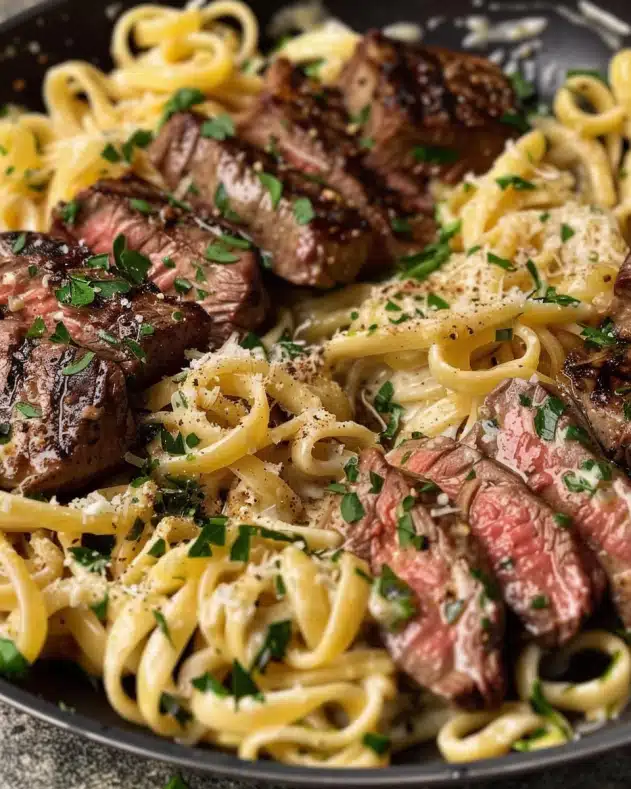
I absolutely love sharing one of my all-time favorite dishes with you: P.F. Chang’s Mongolian Beef Recipe. This version captures that perfect balance of sweet and savory flavors with tender, crispy beef slices coated in a glossy brown sauce that clings to each bite. It’s the kind of meal that feels both indulgent and comforting, all while being surprisingly easy to whip up at home. Every time I make it, the aroma pulls everyone into the kitchen, and the taste never fails to impress.
Why You’ll Love This P.F. Chang’s Mongolian Beef Recipe
What makes this P.F. Chang’s Mongolian Beef Recipe so irresistible to me is its wonderful flavor profile that balances sweetness, saltiness, and a hint of ginger warmth. The brown sugar caramelizes just enough to give the sauce that perfect glossy texture while the dark soy brings rich umami depth. When I bite into those crispy, cornstarch-coated flank steak slices, they offer a beautifully tender texture contrasted with a subtle crunch that makes every forkful exhilarating.
Another thing I appreciate is how straightforward the process is. Even though it feels like a restaurant-worthy dish, it’s quite approachable—no complicated prep or hard-to-find ingredients, just a few simple pantry staples that come together effortlessly. I often make this recipe for weeknight dinners when I want something quick but still impressive for my family or friends. It also shines at casual get-togethers where I want to serve a crowd-pleaser that’s substantial yet elegant in flavor.
Ingredients You’ll Need

This recipe uses a handful of essential ingredients, each thoughtfully chosen to create the perfect taste, texture, and appearance. The flank steak forms the hearty base, while cornstarch crisps it up beautifully during frying. The sauce strikes the right harmony with ginger, garlic, soy sauce, water, and brown sugar, and the green onions add a fresh pop of color and flavor at the end.
- Flank steak: Thinly sliced across the grain on a diagonal for tenderness and quick cooking.
- Cornstarch: Coats the beef for a delicate crispiness when fried.
- Vegetable oil: Used twice, first for the sauce base and also a larger amount for frying the steak.
- Minced fresh ginger: Adds a bright, warm spiciness that balances the sweetness.
- Minced garlic: Infuses the sauce with savory depth and an irresistible aroma.
- Soy sauce: Provides the salty umami foundation of the sauce.
- Water: Thins the sauce and helps dissolve the sugar; keeps it from being too thick.
- Dark brown sugar: Sweetens and thickens the sauce, lending a rich molasses flavor.
- Green onions (green parts only): Adds a fresh herbal brightness and a lovely green contrast.
- Cooked white rice: The perfect fluffy base that soaks up all the delicious sauce.
Directions
Step 1: Place the cornstarch on a shallow plate. Dip each thin slice of flank steak into the cornstarch, making sure to coat both sides evenly. Set the coated steak pieces aside for 10 minutes—this little rest helps the cornstarch adhere nicely and ensures better frying results.
Step 2: While the beef rests, prepare the sauce by heating 2 teaspoons of vegetable oil in a saucepan over medium-low heat. Add the minced ginger and garlic and cook just for about 10 seconds until you can smell their fragrant aroma—be careful not to burn them.
Step 3: Stir in the soy sauce and water, then add the dark brown sugar. Whisk continuously until the sugar has fully dissolved, then increase the heat to medium. Let the sauce simmer for about 10 minutes, stirring occasionally, until it thickens to a glossy consistency. Once thickened, remove the sauce from heat and set aside.
Step 4: In a separate large skillet or wok, pour in the 1 cup of vegetable oil and heat over medium until it’s hot but not smoking. Carefully add the steak slices in batches and fry for 2 to 3 minutes, flipping the pieces halfway through so they cook evenly and develop a crisp, golden crust.
Step 5: Use tongs to remove the cooked steak from the oil and place the pieces on paper towels to drain excess oil. Once all steak is fried, carefully discard the frying oil from the pan and return your sauce saucepan to medium heat.
Step 6: Add the drained steak slices back into the heated sauce and gently toss to coat, cooking for an additional minute. Then fold in the sliced green onions and continue cooking for another 1 to 2 minutes until everything is heated through and fragrant.
Step 7: Remove from heat and serve the Mongolian beef immediately over a bed of fluffy cooked white rice for the classic experience that I adore.
Servings and Timing
This recipe makes about 4 generous servings—perfect for a family dinner or smaller gathering. The prep time is only around 10 minutes, mostly spent slicing the steak and letting the coating rest. Cooking takes about 20 minutes total, including sauce preparation and frying. Altogether, you’re looking at roughly 30 minutes from start to finish, with no additional resting time required after cooking, so you can dive right in with your hungry guests.
How to Serve This P.F. Chang’s Mongolian Beef Recipe

When I serve this P.F. Chang’s Mongolian Beef Recipe, I like to keep things simple but thoughtful. The beef and sauce are so flavorful on their own that plain white rice makes the perfect accompaniment, absorbing the sauce and balancing the intensity of flavors. I sometimes add a side of steamed broccoli or snap peas for a crisp, green contrast that adds freshness and color to the plate.
For garnish, I love scattering extra sliced green onions on top just before serving—it lifts both the visual appeal and the flavor profile with a mild oniony bite. If you want to elevate the presentation, arranging the beef slices neatly atop the rice in a shallow bowl or on a large platter can make it feel extra special when guests arrive at the table.
For drinks, I recommend pairing this dish with a crisp white wine like Sauvignon Blanc or an off-dry Riesling that complements the sweetness without overwhelming the palate. If you prefer cocktails, a light ginger mojito or even jasmine tea on the side works beautifully. This dish is perfect for lively weeknight dinners, casual dinner parties, or any occasion that calls for irresistible flavor with little fuss. I always serve it hot and fresh straight from the pan—it simply tastes best that way.
Variations
I like exploring different twists on the classic P.F. Chang’s Mongolian Beef Recipe to suit various tastes and dietary needs. One simple swap I’ve made is using chicken breast or thighs instead of flank steak for a lighter, equally tasty version. For vegetarians or vegans, firm tofu or seitan works beautifully when coated and cooked similarly, just keep an eye on cook times to avoid overcooking.
If you need a gluten-free option, be sure to use tamari instead of regular soy sauce, as tamari is usually wheat-free. You can also experiment with different sugars like coconut sugar or maple syrup if you want to reduce refined sugar but still keep the signature caramelized sweetness of the sauce.
For even more depth, I occasionally add a splash of hoisin sauce or a few crushed red pepper flakes to the sauce for a touch of heat. Cooking methods can vary too—I’ve tried cooking the beef in a hot oven or air fryer to cut down on oil usage, and while it changes the texture slightly, it still hits the spot when you want a lighter meal.
Storage and Reheating
Storing Leftovers
Leftover Mongolian beef stores wonderfully in an airtight container in the refrigerator for up to 3 days. I like to use glass containers with tight-fitting lids because they keep moisture out and help preserve the sauce’s glossy texture. Before storing, ensure the beef has cooled to room temperature to avoid condensation inside the container, which can make the crust soggy.
Freezing
This dish freezes well, though I recommend freezing the beef and sauce separately from the rice for best texture. Portion the cooked beef and sauce into freezer-safe containers or bags, removing as much air as possible to avoid freezer burn. It can be frozen for up to 2 months. When ready to enjoy, thaw overnight in the fridge before reheating gently.
Reheating
To reheat, I prefer warming the beef gently in a skillet over medium-low heat with a splash of water or broth to loosen the sauce and prevent sticking. Avoid microwaving as it tends to toughen the beef and make the sauce separate. Toss in a few fresh green onions at the end to revive the freshness. Serve immediately for the best flavor and texture.
FAQs
Can I use other cuts of beef besides flank steak?
Absolutely! While flank steak is ideal because it’s lean and cooks quickly, you can substitute skirt steak, sirloin, or even ribeye if you want something more tender and fatty. Just make sure to slice thinly against the grain for the best texture.
Is the sauce vegetarian-friendly?
The sauce itself can be vegetarian, but traditional soy sauce often contains wheat, so choose a vegetarian or gluten-free tamari if you want to keep it fully vegetarian or gluten-friendly. Also, swap the beef for tofu or seitan to make a delicious plant-based version.
How spicy is this dish?
This classic P.F. Chang’s Mongolian Beef Recipe is not spicy at all—it’s more sweet and savory. If you like heat, you can easily add red pepper flakes or slice in some fresh chili peppers while cooking for a chili kick.
Can I make this in advance for a party?
Yes! You can prepare the sauce and slice the beef ahead of time. Just fry the beef and combine everything shortly before serving to keep it crispy and fresh. Keeping beef separate from the sauce until the last minute ensures the best texture.
What’s the best rice to serve with Mongolian beef?
I always go for fluffy steamed white jasmine rice because its slightly floral aroma and neutral flavor complement the rich sauce perfectly. However, brown rice or even fried rice are great alternatives if you want a heartier, nuttier option.
Conclusion
I can’t recommend this P.F. Chang’s Mongolian Beef Recipe enough—it’s a delicious way to bring a restaurant favorite right into your own kitchen without any stress. With its perfect blend of crispy beef, luscious sauce, and simple ingredients, it quickly becomes a family favorite that you’ll find yourself making again and again. Give it a try and enjoy every savory, sweet bite as much as I do!
Print
P.F. Chang’s Mongolian Beef Recipe
- Total Time: 30 minutes
- Yield: 4 servings
Description
P.F. Chang’s Mongolian Beef is a flavorful and crispy beef dish made with thinly sliced flank steak coated in cornstarch, fried to perfection, and tossed in a sweet and savory soy-ginger sauce. Served over fluffy white rice and garnished with green onions, this recipe brings the beloved takeout classic into your home kitchen in just 30 minutes.
Ingredients
Beef and Coating
- 1 pound flank steak, thinly sliced across the grain on a diagonal
- ¼ cup cornstarch
Sauce
- 2 teaspoons vegetable oil
- 1 teaspoon minced fresh ginger
- 1 tablespoon minced garlic
- ½ cup soy sauce
- ½ cup water
- ½ cup dark brown sugar
For Frying and Garnish
- 1 cup vegetable oil (for frying)
- 2 green onions (green parts only), sliced on the diagonal into 2-inch pieces
- 4 cups cooked white rice
Instructions
- Prepare the Beef: Place the cornstarch on a shallow plate. Dip each slice of flank steak into the cornstarch, coating both sides thoroughly. Set aside the coated steak slices for 10 minutes to allow the coating to adhere.
- Make the Sauce: In a saucepan, heat 2 teaspoons of vegetable oil over medium-low heat. Add minced ginger and garlic, cooking for about 10 seconds until fragrant. Stir in soy sauce and water, then whisk in the dark brown sugar. Increase heat to medium and simmer the sauce, stirring frequently, until it thickens, about 10 minutes. Remove from heat and set aside.
- Fry the Beef: In a large skillet, heat 1 cup of vegetable oil over medium heat until hot. Add the cornstarch-coated steak slices and fry for 2 to 3 minutes until cooked through, flipping to cook evenly on both sides. Use tongs to remove the beef and drain on paper towels.
- Combine and Heat: Discard the frying oil from the skillet and return the saucepan with the sauce to medium heat. Add the cooked steak slices and cook for 1 minute. Gently stir in the prepared sauce and continue cooking for another minute. Add the sliced green onions and cook for an additional 1 to 2 minutes until heated through.
- Serve: Remove the pan from heat and serve the Mongolian beef over 4 cups of cooked white rice, garnishing as desired.
Notes
- Thinly slicing the flank steak against the grain ensures tender beef.
- Coating the beef with cornstarch before frying creates a crispy texture that holds the sauce well.
- If you prefer less sweetness, reduce the brown sugar slightly.
- Use a thermometer to ensure the oil is hot enough for frying, around 350°F (175°C), for best results.
- For a gluten-free version, substitute soy sauce with tamari or a gluten-free soy sauce alternative.
- Prep Time: 10 minutes
- Cook Time: 20 minutes
- Category: Main Course
- Method: Frying
- Cuisine: Chinese-American